Roof Leak Insurance Claims Brisbane
A ceiling stain rarely tells you where the water is actually coming from. We connect you with a local roofer who traces the real source of a leak, tells you honestly whether it is likely storm-related or gradual wear, and quotes the fix.
Sudden leak versus a slow, ongoing one
This distinction matters for insurance. A leak that starts suddenly after a storm, with a clear event like lifted tiles or torn flashing, is more likely to fall under storm damage cover. A leak that has been slowly worsening over months or years, often from ageing flashing, worn pointing or a slow degrading roof membrane, is more likely to be treated as maintenance or wear and tear, which most policies do not cover.
A roofer who inspects the roof properly can usually tell you which situation you are looking at, and photograph the evidence either way. That honest assessment is worth having before you lodge a claim, because insurers do check.
Where leaks actually come from
Water travels sideways along battens and sarking before it shows up on your ceiling, so the stain is rarely directly under the entry point.
- Cracked, slipped or missing tiles well away from the visible stain
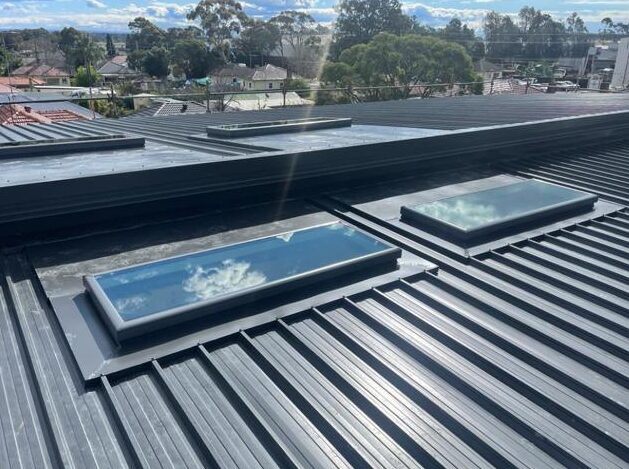
- Failed or aged flashing around chimneys, skylights, vents and valleys
- Cracked or degraded ridge capping mortar letting wind-driven rain in
- Pinholed or lapped metal sheeting, especially around fasteners
- Blocked or overflowing valleys and box gutters
What to do if you have an active leak
Mark or photograph the ceiling stain and note when it appears, especially in relation to any storm or heavy rain. If water is actively dripping, protect belongings underneath and let us know it is urgent. A roofer can usually get a leak traced and either repaired or made safe quickly, with an itemised quote and photo evidence you can put toward an insurance claim if the leak turns out to be storm-related.